A bone fracture is a common injury that can happen due to falls, accidents, sports activities, or direct trauma. While some fractures are minor and stable, others can be severe and require immediate medical attention. Recognizing the symptoms and knowing how to respond quickly can significantly reduce complications and support proper healing. Pain, swelling, bruising, deformity, and difficulty moving the affected area are common signs of a fracture.
Immediate and appropriate action is essential before professional medical care becomes available. First aid measures help stabilize the injury and prevent further damage. However, fractures should always be evaluated by a healthcare professional for accurate diagnosis and treatment planning. Understanding both emergency response and recovery strategies allows individuals to manage fractures safely and promote long-term healing. Learning the proper approach ensures better outcomes and reduces the risk of lasting complications.
Recognizing the Signs of a Bone Fracture
Identifying a fracture quickly helps prevent further injury. Common symptoms include intense pain at the site of injury, swelling, bruising, and difficulty bearing weight or moving the affected limb.
In more severe cases, deformity may be visible, or the bone may protrude through the skin in what is known as an open fracture. A cracking sound at the time of injury can also indicate a break.
Within comprehensive emergency injury response and fracture management awareness education, understanding these warning signs is crucial.
Prompt recognition ensures timely medical intervention and minimizes complications.
Immediate First Aid Steps
When a fracture is suspected, the injured area should be immobilized immediately. Avoid moving the limb unnecessarily, as this may worsen the injury.
Applying a splint or using available materials to stabilize the area helps prevent additional damage. Ice packs can reduce swelling, but they should be wrapped in cloth to avoid direct contact with the skin.
Elevating the injured area, if possible, can also help control swelling. In cases of open fractures, covering the wound with a clean cloth reduces infection risk.
Seeking medical attention promptly remains essential after first aid is administered.
Medical Treatment and Diagnosis
Healthcare professionals use physical examinations and imaging tests such as X-rays to confirm the fracture type and severity. Treatment options vary depending on the location and complexity of the break.
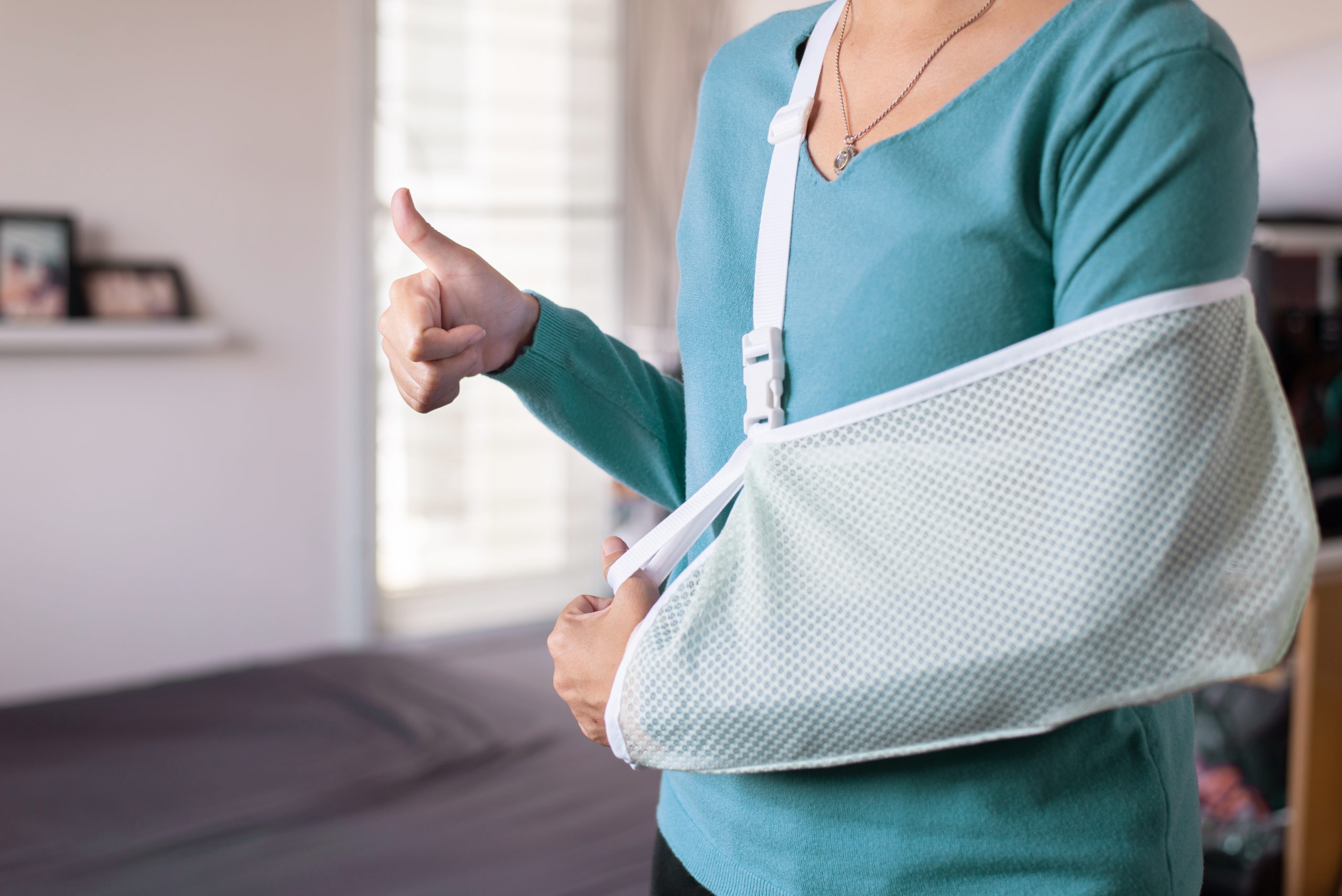
Minor fractures may require casting or splinting to keep the bone aligned during healing. More severe fractures might need surgical intervention using plates, screws, or rods.
Within reliable orthopedic injury care and safe bone healing treatment solutions, professional evaluation ensures accurate alignment and proper recovery planning.
Following medical advice strictly supports effective healing.
Recovery and Rehabilitation Process
Bone healing typically takes several weeks, depending on age, overall health, and fracture type. Rest and limited movement are critical during early recovery stages.
Physical therapy may be recommended to restore strength and flexibility once the bone begins to heal. Gradual exercise prevents stiffness and muscle weakness.
Proper nutrition, including adequate calcium and vitamin D intake, supports bone repair.
Patience and adherence to medical guidelines ensure steady progress.
Preventing Future Fractures
Preventive measures reduce the likelihood of future injuries. Wearing protective gear during sports and maintaining safe environments at home lowers risk.
Regular exercise strengthens muscles and improves balance, which helps prevent falls. Bone health can also be maintained through balanced nutrition and weight-bearing activities.
Within proactive bone health maintenance and accident prevention strategies, lifestyle choices significantly influence fracture risk.
Awareness and preparation promote long-term physical well-being.
Conclusion
Treating a bone fracture properly requires immediate first aid, professional medical evaluation, and careful adherence to recovery guidelines. Recognizing symptoms early and immobilizing the injured area helps prevent further complications. Medical assessment ensures accurate diagnosis and appropriate treatment, whether through casting or surgical intervention. During recovery, rest, physical therapy, and proper nutrition support effective bone healing. Prevention strategies, including safe practices and bone-strengthening habits, further reduce future risk. While fractures can be painful and disruptive, following correct procedures promotes full recovery and minimizes long-term damage. Ultimately, prompt response, professional care, and disciplined rehabilitation are key to restoring mobility and maintaining overall bone health.