
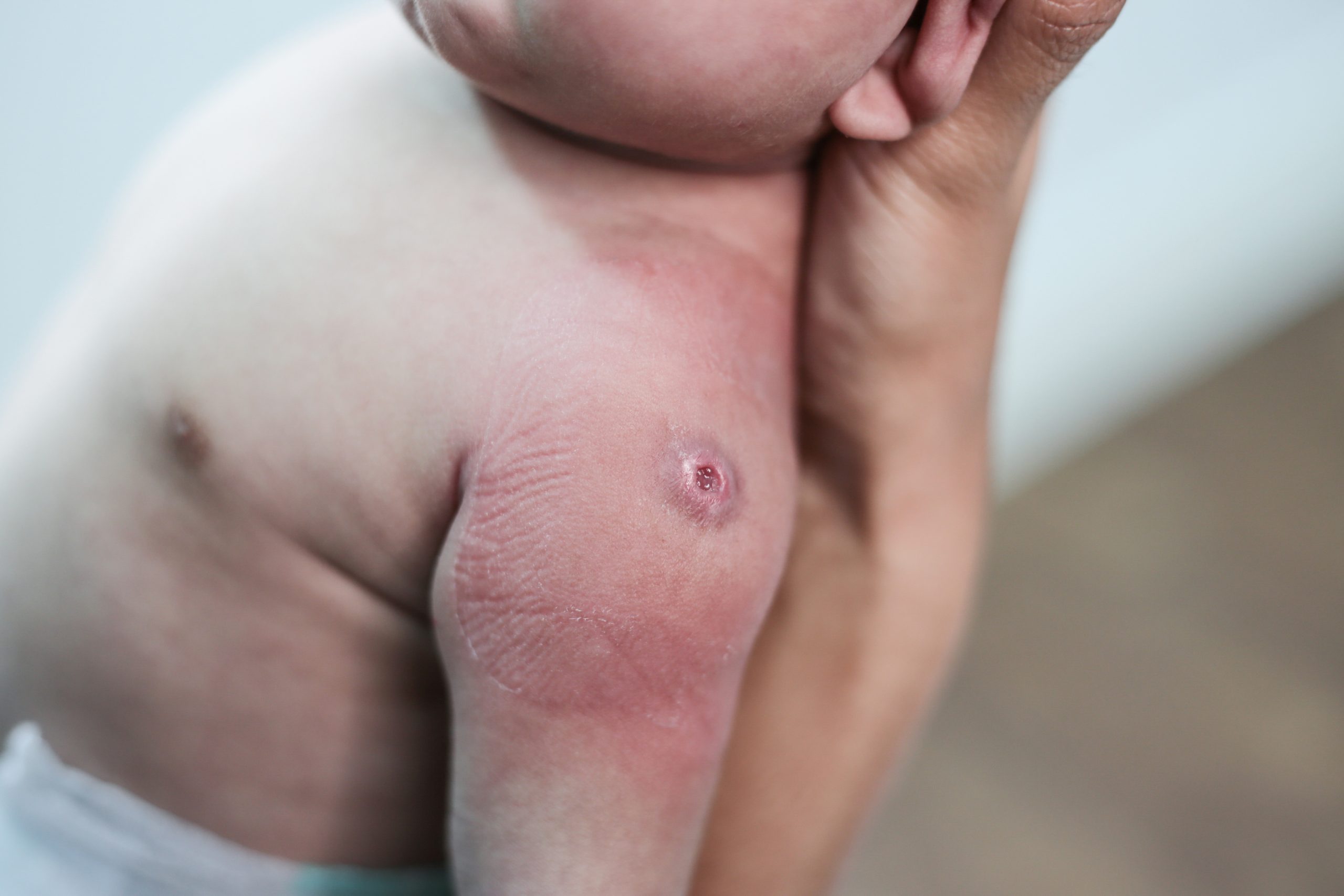
Baby skin is delicate, sensitive, and still developing, which makes it more prone to rashes and irritation. From diaper rash and heat rash to allergic reactions and eczema, skin issues are common during infancy. While many rashes are mild and temporary, they can cause discomfort, redness, and fussiness if not treated properly. For parents, understanding how to manage baby skin rashes safely is essential to ensure comfort and prevent complications.
Proper care begins with identifying the type of rash and its possible cause. Some rashes may result from moisture and friction, while others may be triggered by new products, fabrics, or environmental changes. Gentle treatment and preventive measures often resolve mild cases quickly. However, recognizing warning signs that require medical attention is equally important. By learning safe and effective approaches, parents can confidently protect their baby’s sensitive skin and promote healthy development.
Common Causes of Baby Skin Rashes
Several factors contribute to baby skin rashes. Diaper rash is one of the most common types, caused by prolonged moisture exposure and friction in the diaper area. Heat rash occurs when sweat glands become blocked, often in warm environments.
Allergic reactions may appear after introducing new skincare products, detergents, or foods. Eczema can also develop in infants, leading to dry, itchy patches on the skin.
Within reliable infant skincare health management and baby dermatology care guidance, identifying the root cause is the first step toward effective treatment.
Observing when and where the rash appears helps determine appropriate action.
Safe Home Remedies for Mild Rashes
For mild diaper rash, frequent diaper changes and gentle cleansing with lukewarm water can reduce irritation. Allowing the skin to air dry before putting on a new diaper promotes healing.
Applying a zinc oxide-based diaper cream forms a protective barrier against moisture. For heat rash, dressing the baby in lightweight, breathable clothing and keeping the environment cool helps relieve symptoms.
In cases of mild dryness or eczema, fragrance-free moisturizers designed for infants may soothe the skin.
Avoid using harsh soaps or scented products that may worsen irritation.
When to Seek Medical Advice
While many rashes improve with basic care, some require medical evaluation. If a rash spreads rapidly, produces blisters, oozes fluid, or is accompanied by fever, professional consultation is necessary.
Persistent rashes that do not improve after several days may indicate infection or allergic reactions requiring prescription treatment.
Within trusted pediatric skin care solutions and newborn health protection practices, early intervention prevents complications.
Parents should trust their instincts and seek medical guidance when symptoms appear severe or unusual.
Preventing Future Skin Irritation
Prevention plays a major role in maintaining healthy baby skin. Choosing hypoallergenic products and fragrance-free detergents reduces the risk of allergic reactions.
Frequent diaper changes and proper drying prevent moisture buildup. Maintaining moderate room temperature minimizes heat rash risk.
Regular moisturizing supports the skin’s protective barrier, especially in dry climates.
Gentle handling and soft fabrics protect delicate skin from friction.
Daily Skincare Routine for Babies
A simple and consistent skincare routine supports overall skin health. Bathing two to three times per week with mild baby cleansers is usually sufficient.
After bathing, applying a gentle moisturizer locks in hydration. Keeping nails trimmed prevents scratching if irritation occurs.
Within structured baby wellness and gentle skincare routine development strategies, consistency and simplicity are key.
Avoid overloading the skin with unnecessary products.
Balanced care promotes comfort and resilience.
Conclusion
Baby skin rashes are common but manageable when addressed promptly and carefully. Understanding the underlying causes—whether from moisture, heat, allergies, or dryness—allows parents to apply appropriate remedies. Gentle home treatments, such as frequent diaper changes, breathable clothing, and fragrance-free moisturizers, often resolve mild irritation quickly. However, recognizing warning signs that require medical attention ensures timely and safe intervention. Prevention through proper hygiene, suitable skincare products, and a balanced routine significantly reduces recurrence. Babies have sensitive skin that benefits from minimal yet consistent care. By staying attentive and informed, parents can effectively protect their child’s comfort and well-being. Ultimately, safe treatment and preventive habits help maintain healthy, soft, and irritation-free skin during the early stages of life.